

We're Here to Assist You
Wasps: A Recent Job in Kitchener & Why Nests Become More Noticeable
Category: Holiday
Published: April 2026
By: Jim Petty, Owner, Petty Pest Control Services
What We Walked Into
In August, I visited a Kitchener home where the homeowner was seeing wasps around the back deck and roofline every afternoon.
At first, they thought the wasps were just passing through. But after a few days, they noticed the same pattern.
The wasps kept flying around the same area near the soffit and exterior trim.
That repeated activity is always important.
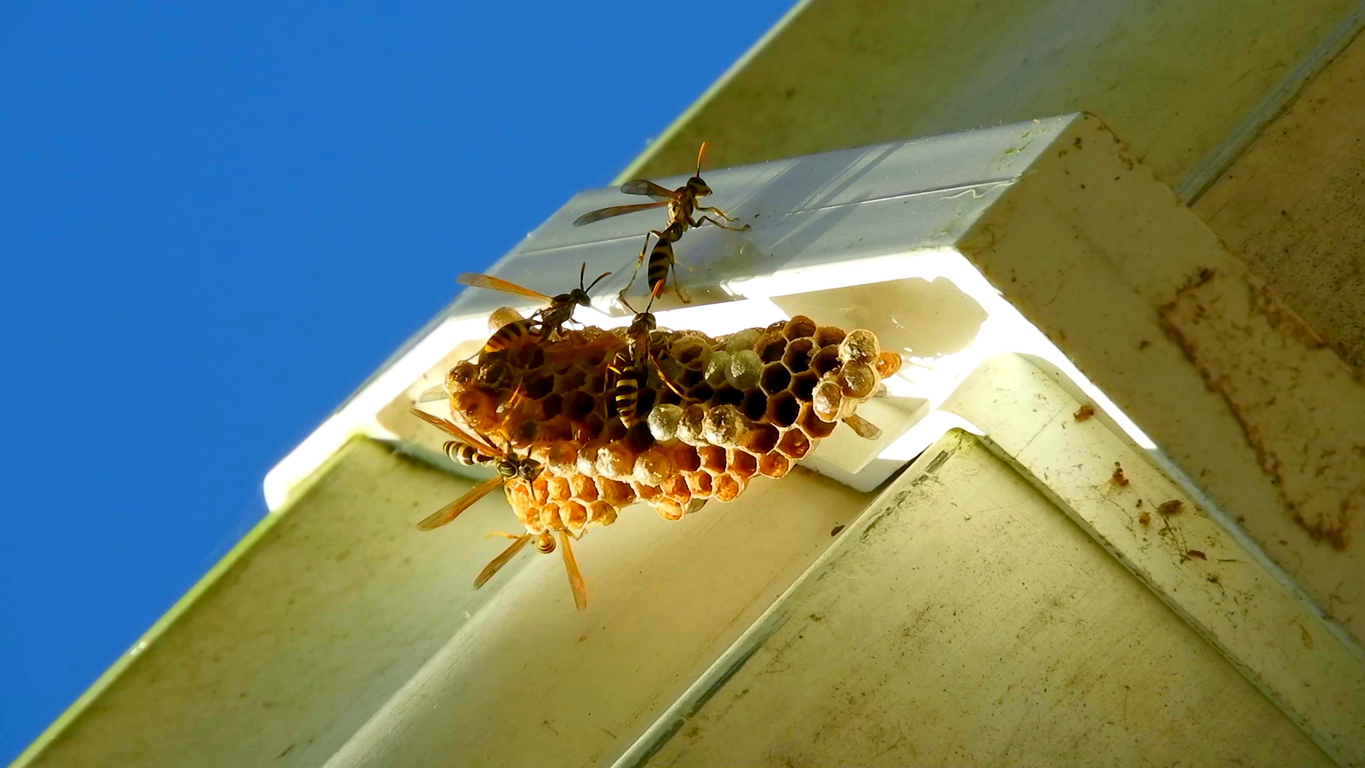
When wasps keep returning to one specific location, it often means there is a nest nearby or an opening they are using for shelter.
The homeowner was especially concerned because the activity was close to the deck. Their family used that space often, and they did not want kids, pets or visitors getting too close to the wasps.

The Problem
Wasps can become more noticeable later in the summer because nests are often larger by that time.
In this case, the activity was close to a common outdoor living area. That made it more than just a nuisance. It affected how comfortable the family felt using their own backyard.
Wasps may build nests around soffits, rooflines, sheds, decks, fences, garages, wall gaps and other protected exterior spaces.
These areas provide shelter and help the nest stay protected.
The homeowner had not tried to disturb the area, which was the right decision. Disturbing an active nest or flight path can make the situation more dangerous.
The Process
When dealing with wasps, the first step is always to observe the activity safely.
Step 1: Safe Activity Observation
I watched the wasp movement from a safe distance to understand where they were flying, landing and returning.
Step 2: Flight Path Identification
I checked whether the wasps were entering a gap, gathering near a visible nest or moving around a protected exterior space.
Step 3: Exterior Inspection
I inspected the roofline, soffit area, exterior trim, deck area and nearby sheltered spaces.
Step 4: Wasp Nest Removal Recommendation
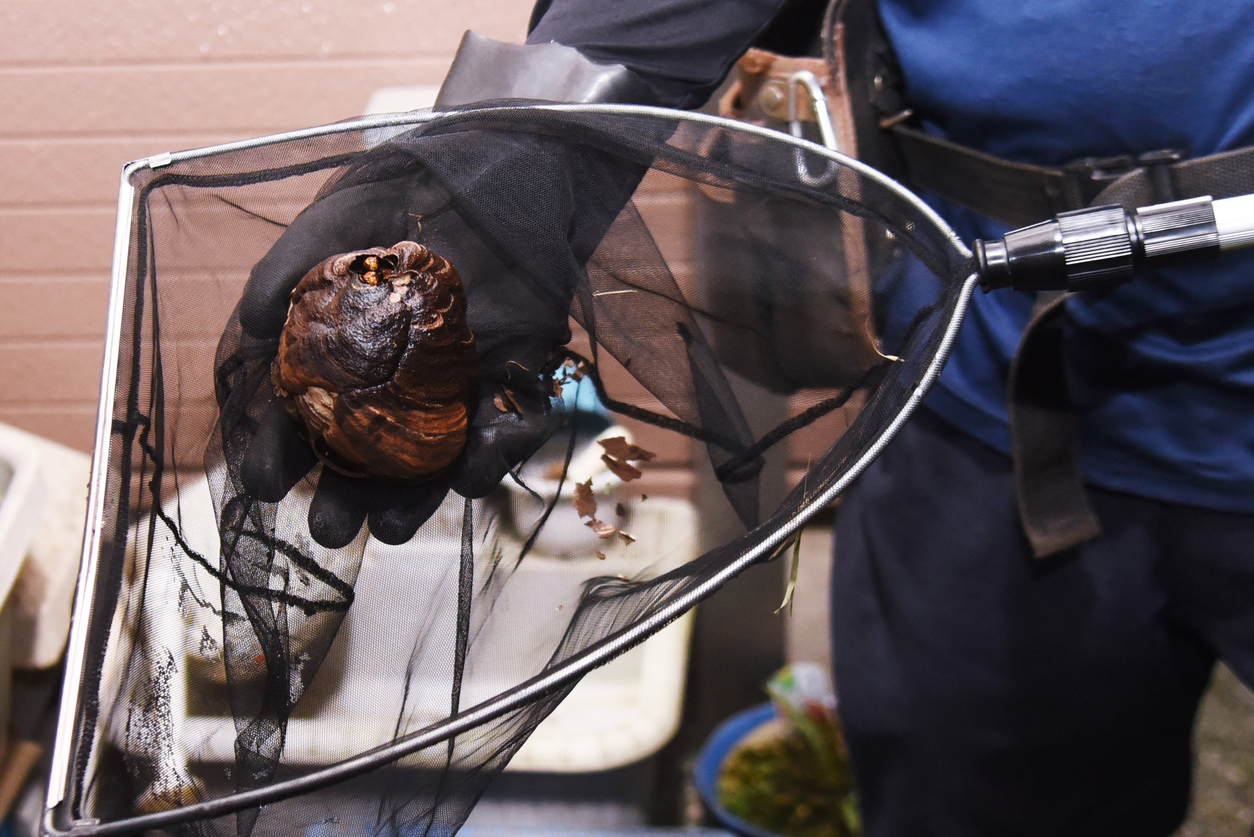
After locating the active area, I explained the concern and recommended the right wasp nest removal approach based on the nest location and safety risk.

The Outcome
After the active area was addressed, the homeowner had a much better understanding of what was happening.
They realized the wasps were not randomly flying around the yard.
The repeated activity near the soffit was a sign that the wasps had a reason to keep returning.
Once the issue was handled, the family felt more comfortable using the backyard again.
That is always the goal with wasp concerns: address the active problem and help the customer feel safe around the property.
"It's brighter than before!"
— Megan
Practical Prevention Tips
Here are the wasp prevention tips I shared with the homeowner:
Keep outdoor food and drinks covered.
Clean garbage and recycling bins regularly.
Watch for repeated wasp activity in the same area.
Seal small exterior gaps when possible.
Avoid disturbing active nests or flight paths.
Check sheds, decks, soffits and rooflines for early activity.
Keep fallen fruit, food scraps and sweet drinks away from outdoor areas.
Be careful around wall gaps, vents and trim where wasps may enter.
These steps can help reduce the conditions that attract wasps or allow them to settle close to outdoor living spaces.
Professional Insight
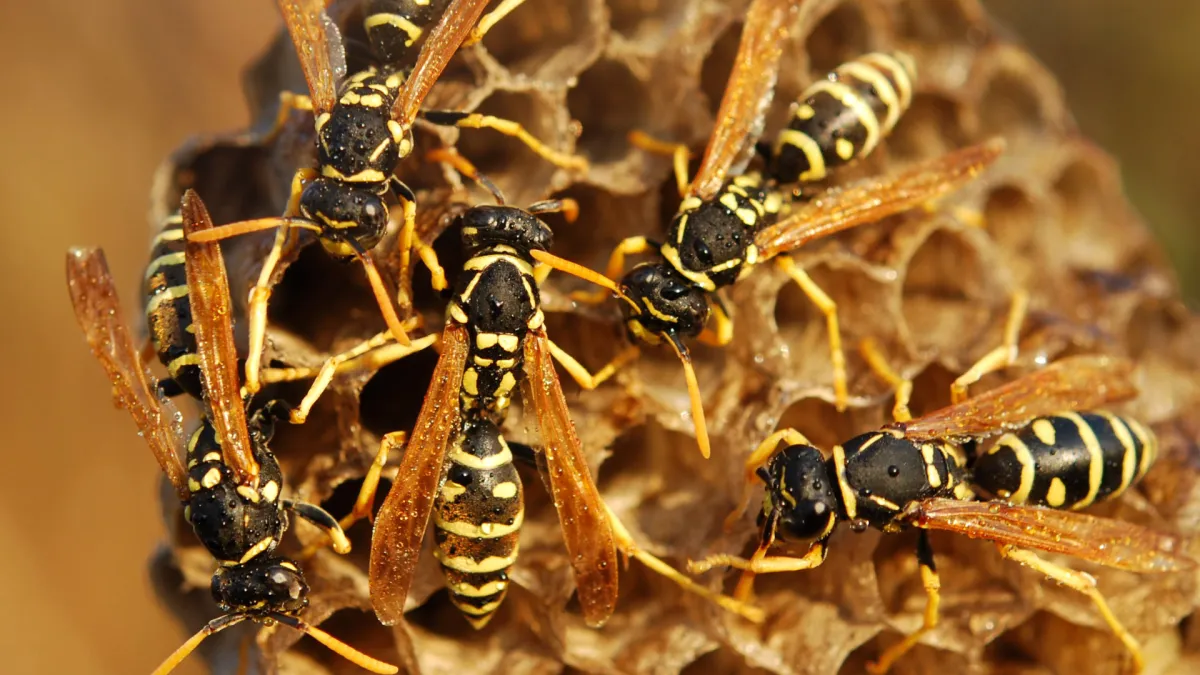
Seeing one or two wasps around the yard is different from seeing repeated activity in the same location.
Repeated activity is the warning sign.
When wasps keep flying in and out of one area, there may be a nest, protected gap or active entry point nearby.
It is best not to spray randomly or block the opening without knowing what is happening. That can sometimes make the problem worse or push activity into another area.
A careful inspection helps identify the nest location and the safest next step.
Closing Thoughts
August is a common time for homeowners to notice wasp activity around decks, sheds, rooflines and outdoor living spaces.
If you are seeing wasps in the same area every day, do not ignore it. There may be a nest or protected opening nearby.
No more avoiding the deck. Just a safer, more comfortable outdoor space again.
— Petty Pest Control

Address
151 Charles St W #100, Kitchener, ON N2G 1H6, Canada
Contact Us
Call: 289-312-7625
© 2026 Petty Pest Control. All rights reserved.