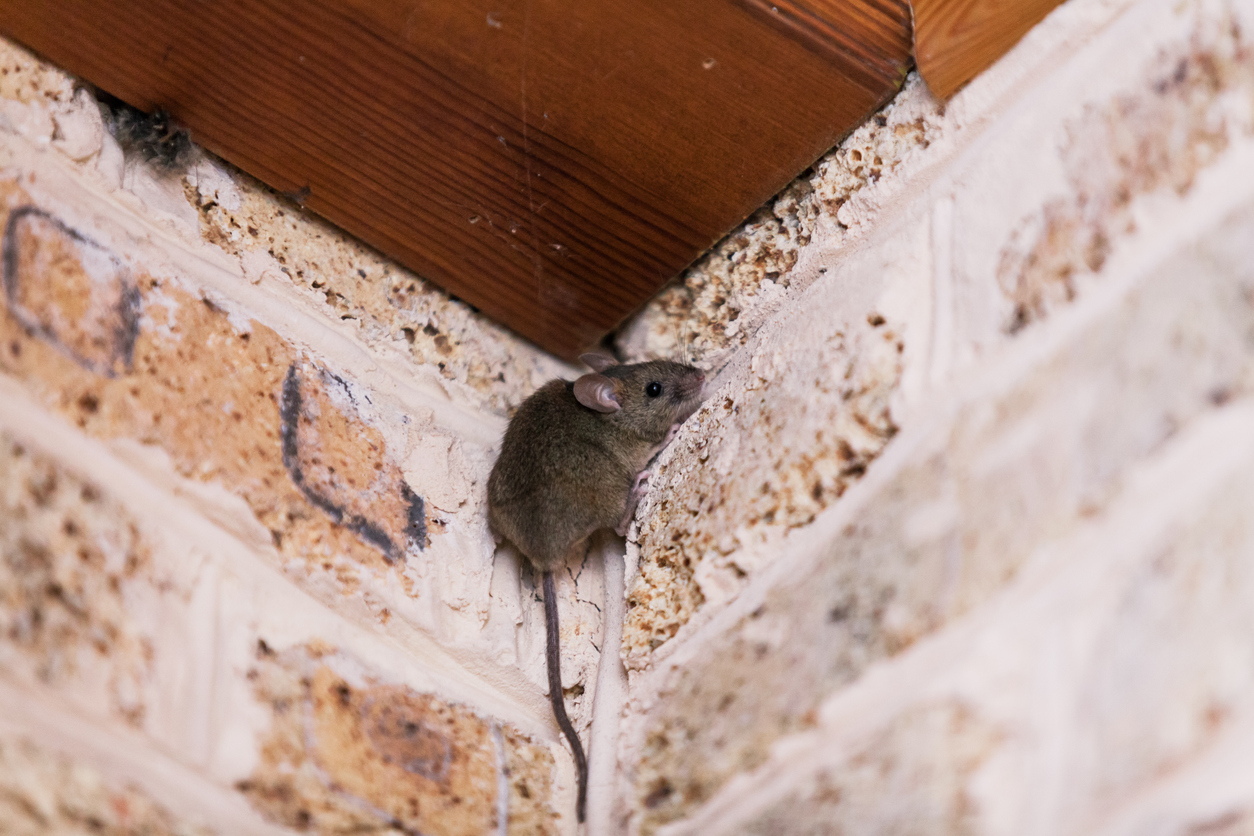
Rodent Prevention – A Recent Job & Some Homeowner Tips
By Jim, Owner, Petty Pest Control
What I Walked Into
July is not usually the first month people think about rodents, but it is a time when I start seeing a lot of early warning signs around Southwestern Ontario homes.
Earlier this month, I got a call from a homeowner who had been hearing scratching noises in the garage late at night. At first, they thought it might be something outside.
After a couple of weeks, they started finding small droppings near stored boxes and along one wall of the garage. That was when they decided to have it checked.
The home was detached, with an attached garage and a finished basement. The homeowner had not seen a mouse or rat, but they knew something was not right.
When I arrived, I started in the garage because that was where the signs had first shown up. It did not take long to find a few clues that rodents had been active.
The activity was not widespread yet, but something had already found a way inside.
The Problem
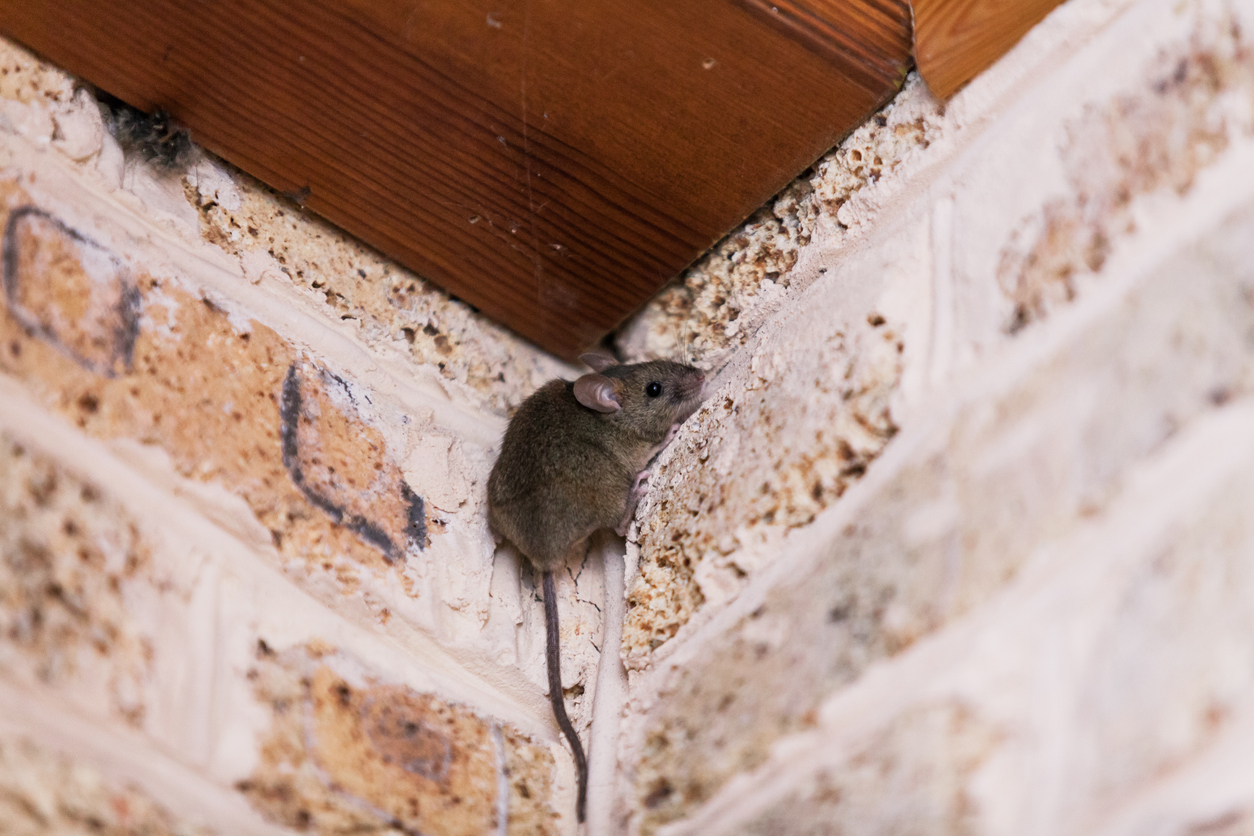
Rodent problems often start quietly.
Most homeowners do not notice them right away because rodents are usually active when the house is quiet and people are asleep.
In this case, I found droppings along the garage wall and behind stored items. There were also light chew marks on cardboard boxes that had been sitting undisturbed for several months.
As I kept inspecting, I found a small gap near the bottom corner of the garage where a utility line entered the structure.
It was not a large opening, but rodents do not need much space to get inside.
The homeowner had three main concerns. They did not want the activity spreading into the living areas, they were worried about damage to stored belongings, insulation, or wiring, and they wanted to stop it before it became worse later in the year.
Those were fair concerns. Rodents rarely stay in one place forever. If they find shelter, food, and access to other parts of the home, they usually keep exploring.
The Process
With rodent prevention, I always focus on two things: where the activity is happening and how it started.
I checked the garage, basement, utility areas, foundation line, exterior entry points, door seals, vents, and utility penetrations.
In this case, the garage entry point was the biggest issue. The opening around the utility line had likely been there for a while, and it gave rodents an easy way in from outside.
Once I identified the problem areas, I put together a prevention-focused plan.
We addressed the active areas where signs were showing up and secured the entry point properly. We also talked through the storage setup inside the garage because cluttered areas give rodents more places to hide.
The point is not just to deal with the rodents that are already there. The point is to stop the access before the activity becomes widespread.
Waiting until you are seeing rodents regularly usually means they have already settled in.
The Outcome
Once the entry point was secured and the active areas were addressed, things improved quickly.
Over the next few weeks, the homeowner stopped hearing noises in the garage. No new droppings appeared, and there were no signs that the activity had moved deeper into the home.
The areas where droppings had first been found stayed clear, which was a good sign that the issue had been caught early.
When I checked back later, the homeowner told me they felt much more comfortable knowing it had been handled before it became something bigger.
For them, the biggest difference was peace of mind. They no longer felt like they needed to check the garage every morning or wonder what was happening behind the stored boxes.
DIY Advice
Here are a few things I recommend homeowners check during the summer:
Walk around the outside of the home and look for small gaps around utility lines, vents, door frames, and foundation areas.
Keep storage areas organized so rodents have fewer quiet places to hide.
Avoid leaving cardboard boxes stacked against garage walls for long periods.
Use plastic storage bins when possible, especially for long-term storage.
Keep garage doors closed when they are not being used.
Store pet food, bird seed, and garbage securely so rodents do not have easy access to food.
Most of these steps are simple, but together they make the property much less inviting.
Professional Insight
Rodent problems are often easier to prevent than they are to eliminate.
A lot of homeowners focus on the rodent they see or the noise they hear, but the bigger issue is usually how they are getting inside in the first place.
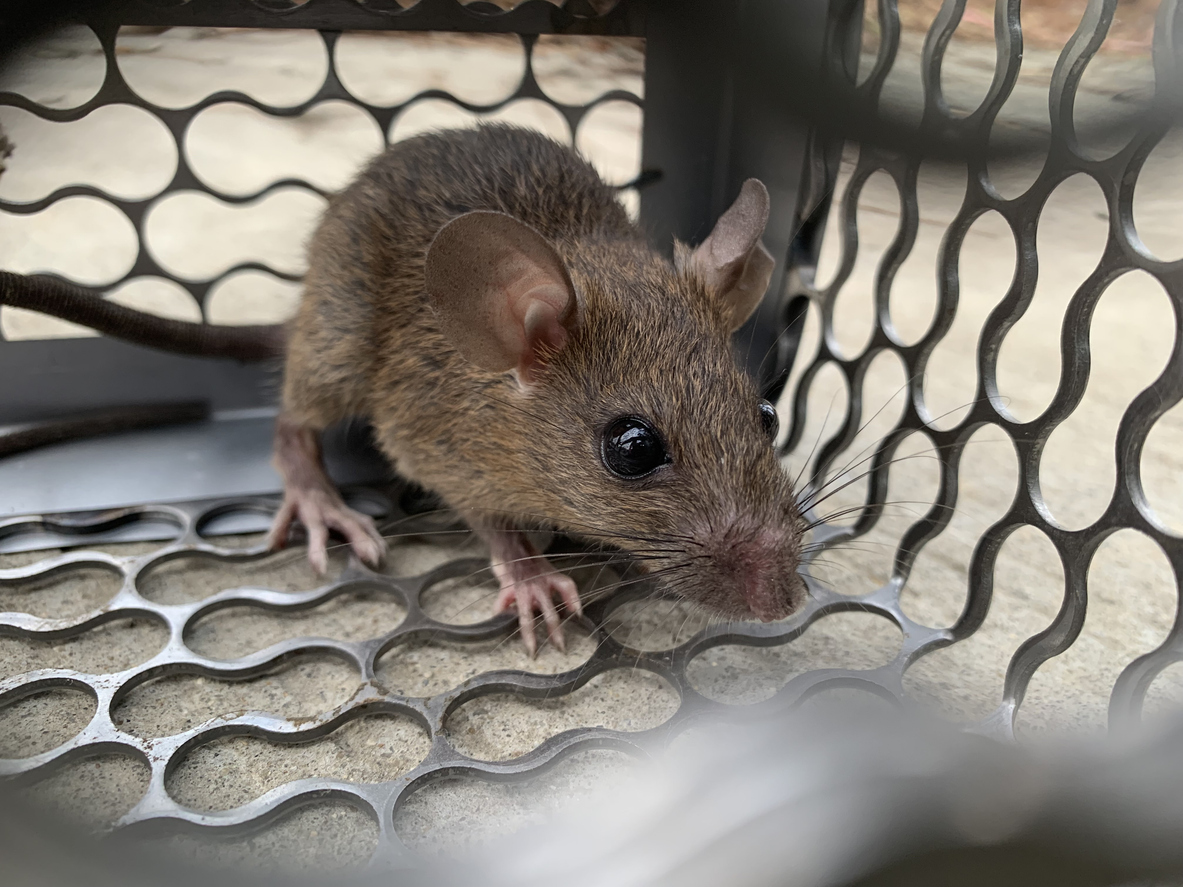
Store-bought traps may reduce activity for a short time, but if entry points stay open, new rodents can keep finding their way in.
That is why inspections matter. Finding the access points, catching activity early, and correcting the conditions that support rodents usually leads to much better long-term results.
Prevention almost always takes less time, less stress, and less expense than dealing with a full infestation later.
Closing
July is a good time for homeowners around Southwestern Ontario to think about rodent prevention.
The signs often start small: an occasional noise, a few droppings, or a small opening around the outside of the home.
But if those signs are ignored, they can become bigger problems as the seasons change.
A little prevention now can save a lot of frustration later.
If you're noticing signs of rodent activity around your home, it is worth taking a closer look before the problem has a chance to grow.
– Jim
