March - Ants - A Recent Job & Some Homeowner Tips
By Jim, Owner, Petty Pest Control
What I Walked Into
Earlier this month, I got a call from a homeowner who said they were seeing “a few ants” near the kitchen sink. The house was a newer build, two-storey, with a finished basement. At first, they thought it was just something that came in when the door was open. But the ants kept showing up every morning along the same stretch of counter.
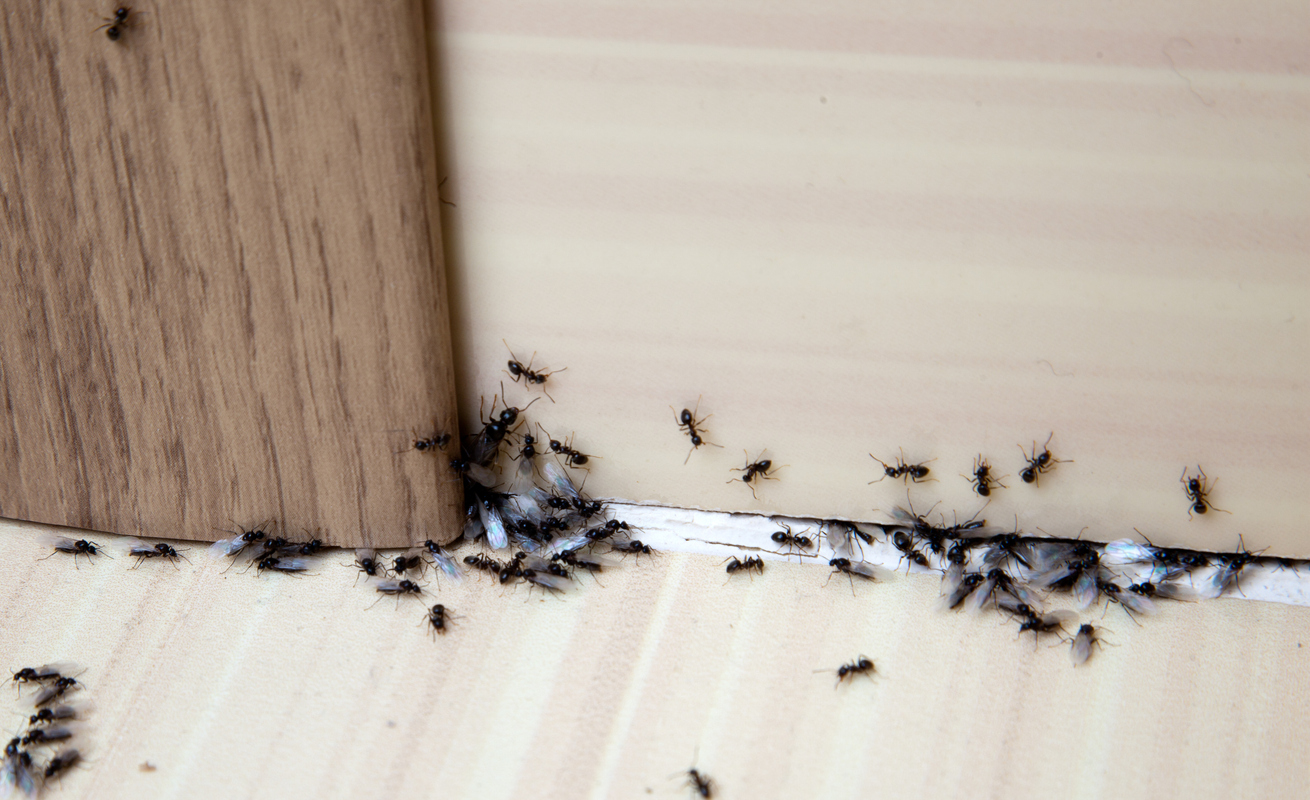
When I arrived, I could see a steady trail running from a small gap near the window trim down toward the sink area. It wasn’t a heavy infestation, but it was organized. That usually means there’s a nest nearby, either inside the wall or just outside along the foundation.
The Problem
Ants seem small, but once they establish a path, they don’t stop easily. They work in lines, and when you see a few, there are usually many more behind them.
In this home, here’s what was happening:
Ants were following the edge of the countertop toward moisture near the sink. They weren’t scattered randomly — they had a clear route.
A small crack near the window frame was acting as an entry point. It wasn’t obvious at first glance, but it was enough space for steady traffic.
There were a few in the pantry, attracted to a partially opened bag of sugar. Once one finds food, the rest follow quickly.
What made this frustrating for the homeowner was that it looked under control at first. They would wipe the counters, spray a bit of cleaner, and the ants would disappear — for a few hours. Then the next morning, the line was back in the same place.
That’s because wiping away visible ants doesn’t remove the scent trail they leave behind. Ants communicate chemically. If that trail isn’t disrupted properly, the next group just follows the same invisible path.
The family wasn’t worried about structural damage. They were worried about:
Ants getting into food
Ants spreading into other rooms
The problem getting worse once spring temperatures rose
The Process
With ants, I focus on two things:
Where they’re coming from.
Why are they coming inside in the first place?
We started with a full inspection, both inside and outside.
Here’s what that involved:
Checking window frames, door trims, and baseboards for gaps or separation
Looking carefully along the exterior foundation for cracks or soil contact points
Inspecting under the sink for slow leaks or excess moisture
Reviewing pantry storage to see what might be attracting them
Once we traced the trail and checked the exterior, it became clear they were entering through a small gap in the window trim and likely nesting just outside along the foundation line.
From there, the treatment plan was straightforward and focused:
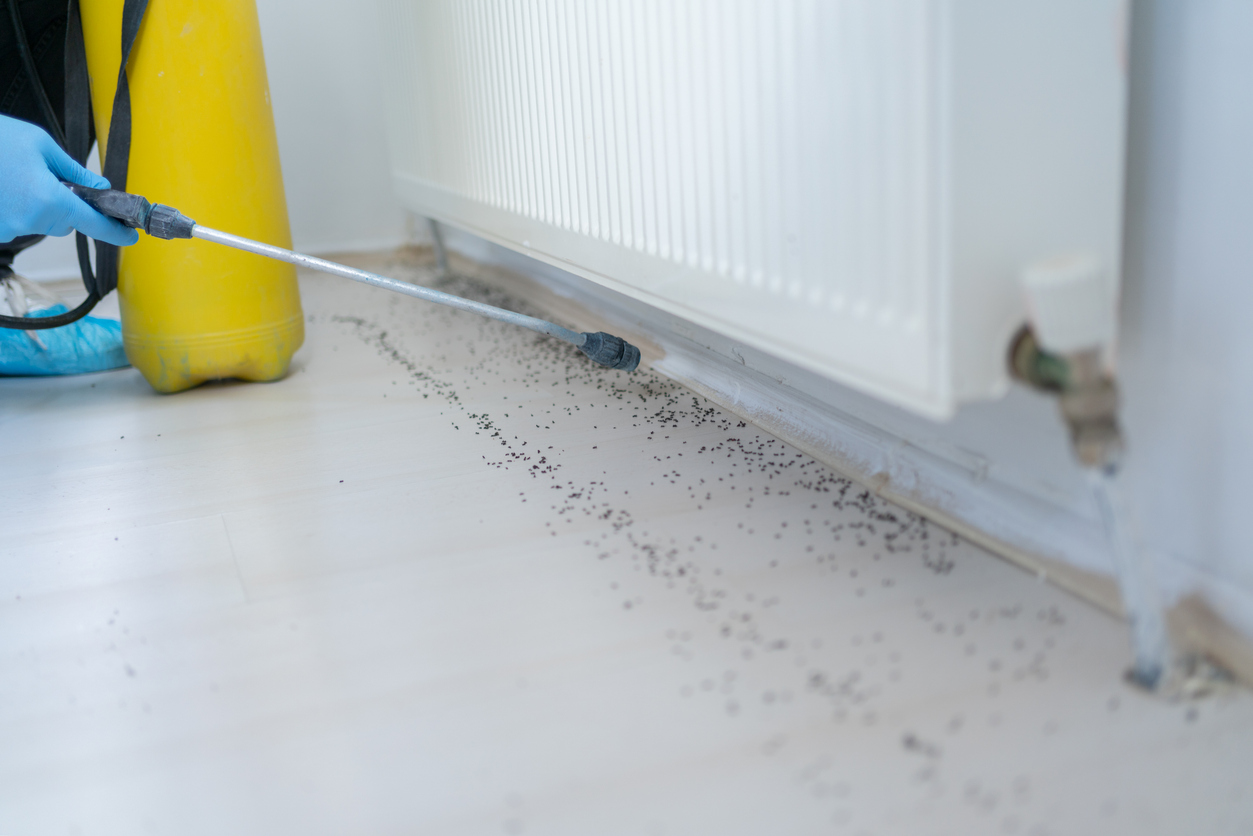
Applying a targeted treatment along the entry point and exterior foundation where activity was strongest
Treating the interior trail area carefully to eliminate active movement without spreading them further
Sealing the small gap near the window trim to stop re-entry
Advising the homeowner on reducing moisture under the sink, since water is just as attractive as food
The Outcome
Within a few days, the activity slowed down significantly. The steady trail that had been showing up every morning along the counter just stopped. There were no new lines forming near the sink, and nothing reappeared in the pantry.
We kept monitoring the areas where activity had been strongest. The treated spots stayed clear, and there were no signs of new entry from the window trim once it was sealed. That’s usually how I know we addressed both the symptom and the source.
The homeowner told me later that the biggest difference wasn’t just the absence of ants — it was the relief of not thinking about them anymore. They weren’t checking the counter first thing in the morning. They weren’t wiping surfaces multiple times a day just in case. They could leave a dish on the drying rack without wondering if it would be covered in ants an hour later.
It sounds minor, but when ants are active in a kitchen, it changes how people use the space. Once the activity stopped and the entry was sealed properly, the kitchen went back to being just a kitchen.
DIY Advice I Shared
Before leaving, I gave them a few simple steps to stay ahead of ant activity:
Store sugar, flour, and snacks in sealed containers
Wipe counters with a mild cleaner that removes scent trails
Fix small gaps in trim or baseboards early
Check around sinks for moisture buildup
Keep outdoor mulch and soil from piling directly against the foundation
They followed through on those steps, especially sealing food containers and watching moisture under the sink, and that helped prevent the ants from re-establishing a trail.
Professional Insight
Some ant problems are minor and can be reduced with cleaning and sealing. But when ants form consistent trails, it usually means there’s a larger colony involved. Sprays from the hardware store often scatter them temporarily, but they don’t address the nest.
Identifying the source and treating it correctly is what makes the difference between a short break and a long-term solution.
Closing Thoughts
March is when ants start testing entry points again around Southwestern Ontario homes. A few ants on the counter might not seem like much, but they’re usually a sign of something bigger starting up.
If you’re noticing trails, repeated sightings, or activity that won’t stop, it’s better to look into it early. Most problems are easier to deal with before they spread.
If you’re in Southwestern Ontario and seeing similar signs, feel free to reach out.
– Jim
