
The St. Catharines & Southern Ontario Pest Journal
The St. Catharines & Southern Ontario Pest Control Journal
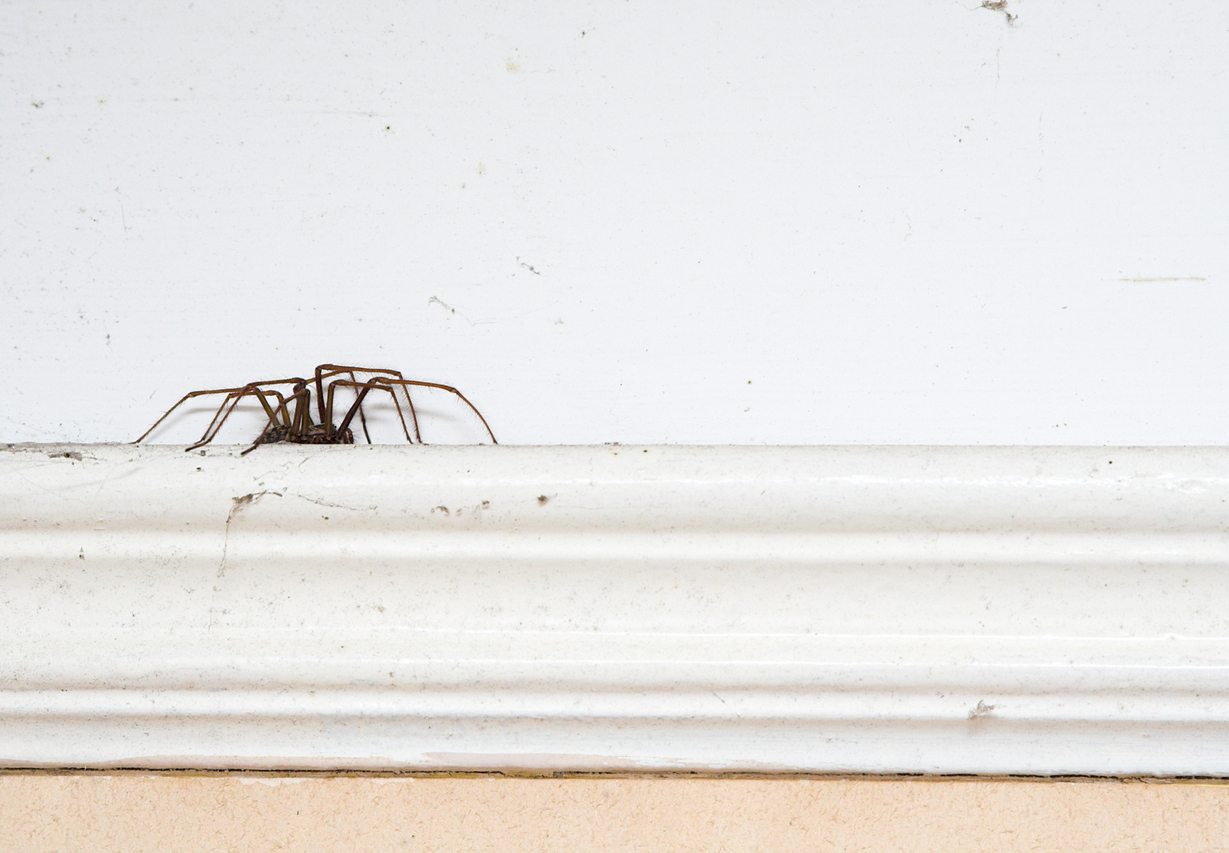
Spider Prevention – A Recent Job & Some Homeowner Tips
By Jim, Owner, Petty Pest Control
What I Walked Into
August is when I usually start getting more calls about spiders around Southwestern Ontario. As summer goes on, people tend to notice more webs around the home, especially in basements, garages, sheds, and around windows.
Earlier this month, I got a call from a homeowner who said they seemed to be removing spider webs every couple of days, but they kept coming back. They weren't dealing with hundreds of spiders, but they were seeing enough of them that it was becoming frustrating.
The property was a two-storey home with a finished basement and an attached garage. The homeowner had also noticed a few spiders around the patio door and in the corners of the basement.
When I arrived, I started by walking around the outside of the home before heading indoors. It didn't take long to see why the spiders were settling in. There were several quiet areas around the property that were providing good places for them to build webs and plenty of insects nearby for food.

The Problem
Spider problems usually build up gradually.
Most homeowners don't notice them until webs begin appearing in the same places over and over again. Removing the web helps for a short time, but if the conditions stay the same, another spider often replaces it.
In this home, I found webs around the basement windows, behind stored items in the garage, and along several exterior corners of the house. There were also a few spiders around the patio door where outdoor lights were attracting insects during the evenings.
One thing I noticed was that the garage had several storage shelves packed tightly against the walls. Those quiet areas don't necessarily cause spider problems, but they do give spiders places where they won't be disturbed very often.
The homeowner's biggest concern wasn't that the spiders were dangerous. They simply didn't want to keep finding webs around the home or walking into them every time they entered the garage or basement.
Like many people, they also wondered why the spiders kept coming back after cleaning.
The answer is usually simple. If insects are available as a food source and spiders have quiet places to stay, they'll continue returning.
The Process
With spider prevention, I focus on reducing both the spider activity and the conditions that attract them.
I started with a complete inspection inside and outside the home.
I checked around windows, doors, foundation corners, basement areas, garage walls, storage spaces, light fixtures, and exterior landscaping. I also looked for areas where insects were gathering because that's usually where spiders follow.
In this case, there were several exterior corners with heavy web activity, along with insects gathering near outdoor lighting each evening. Inside, the basement and garage had several undisturbed areas where spiders had been able to settle.
Once I identified the main activity areas, I put together a treatment plan that focused on both immediate control and long-term prevention.
We removed existing webs throughout the property and treated the areas where spider activity was most consistent. Attention was also given to exterior entry points and the outside perimeter where spiders often establish themselves before moving closer to the home.
Spider prevention isn't just about removing webs. It's about making the property less attractive to both spiders and the insects they feed on.
The Outcome
After the treatment was completed, the improvement became noticeable within the first couple of weeks.
The homeowner told me they weren't finding new webs around the basement or garage nearly as often, and the regular spider sightings around the patio door had slowed down considerably.
When I returned to check the property, the areas that had previously shown the most activity remained clear. The exterior corners where webs had been building stayed clean, and there was very little new activity around the windows.
The homeowner mentioned that the biggest difference was simply not thinking about spiders every time they walked into the garage or basement. They no longer felt like they had to carry a broom around just to remove fresh webs every few days.
Because the conditions around the property had also been improved, the results held up much better than simply removing the webs alone.
DIY Advice
There are a few simple things I recommend homeowners stay on top of during late summer to help reduce spider activity.
Remove webs as soon as you notice them instead of letting them build up over time.
Keep garages, basements, and storage areas organized so spiders have fewer quiet places to settle.
Trim shrubs and plants away from the outside walls of the home whenever possible.
Check window screens, door seals, and weather stripping for openings that allow insects inside.
Reduce unnecessary outdoor lighting when practical, or consider switching to warm-colour bulbs that attract fewer insects.
Vacuum corners, ceilings, and behind stored items every so often, especially in areas that don't get cleaned regularly.
None of these steps are difficult, but together they make the property much less attractive for spiders.

Professional Insight
Spider problems are usually a sign of something else happening around the property.
Spiders go where food is available. If insects are regularly gathering around lights, windows, or landscaping, spiders won't be far behind.
A lot of homeowners focus only on removing the spiders they can see, but long-term prevention comes from reducing the conditions that support them.
That's why inspections are important. Finding where spiders are settling, identifying why they're choosing those areas, and making practical corrections usually provides much longer-lasting results than simply removing webs every week.
Closing
August is a good time for homeowners around Southwestern Ontario to pay attention to spider activity before the cooler months arrive.
Most spider issues begin with a few webs in quiet areas of the home, but if those areas continue providing shelter and food, activity can slowly increase over time.
A little maintenance now can make a noticeable difference throughout the rest of the season.
If you're seeing more webs or regular spider activity around your home, it's worth looking into before it becomes a larger nuisance.
– Jim

Schedule a Pest Inspection
Ready to schedule a pest inspection? Contact us today.

Have a question? Give us a call
We are happy to answer any questions you have :)
St Catharines & Southern Ontario
778-601-3577