

We're Here to Assist You
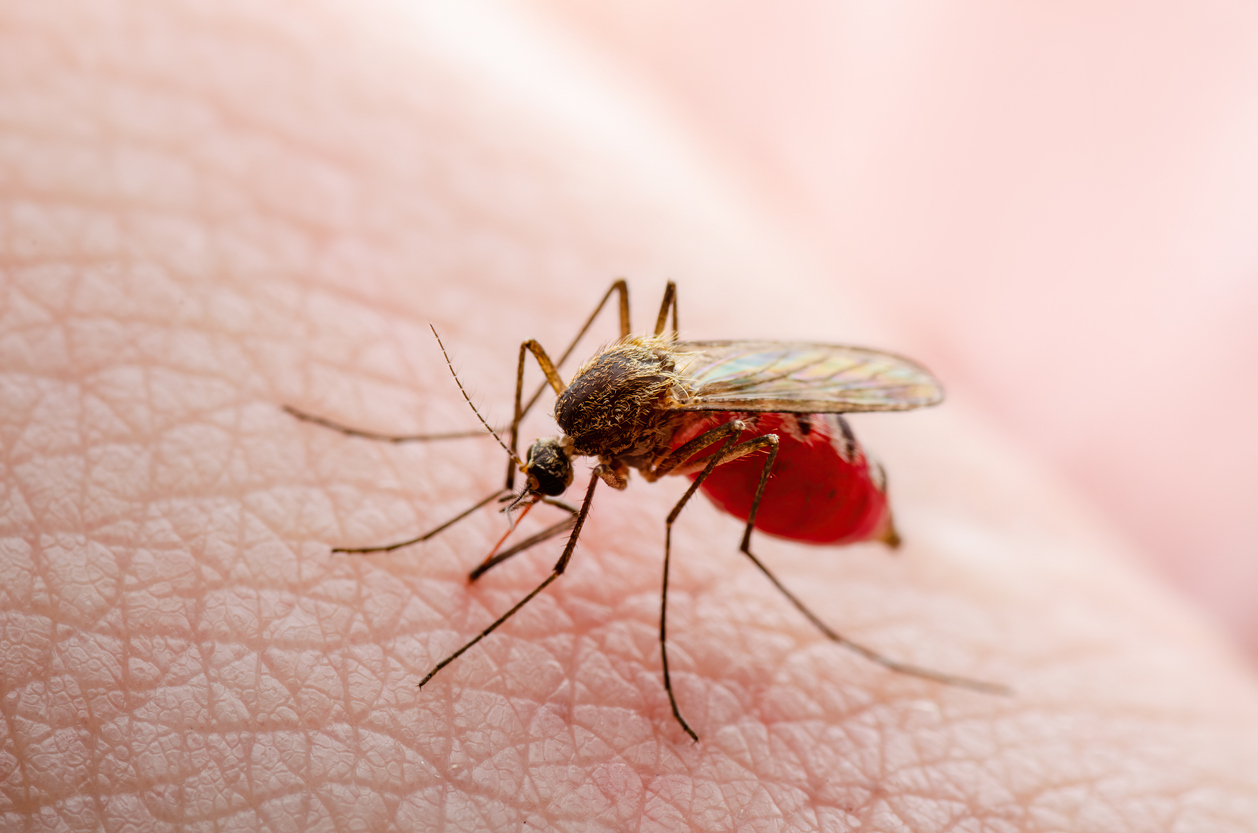
Mosquitoes: A Recent Job in Kitchener & How to Reduce Backyard Activity
Category: Holiday
Published: July 2026
By: Jim Petty, Owner, Petty Pest Control Services
What We Walked Into
In July, I visited a Kitchener property after the homeowner said mosquitoes were making it difficult to enjoy the backyard.
The family liked using the deck in the evening, but they had noticed mosquitoes becoming more active around the seating area, garden beds and shaded corners of the yard.
They also mentioned that after rain, some areas seemed to stay damp longer than others.
When I arrived, the homeowner walked me through the backyard and pointed out the spots where mosquito activity felt the worst.
The main concern was comfort. They wanted to enjoy their yard again without constantly dealing with bites, especially when family or guests came over.

The Problem
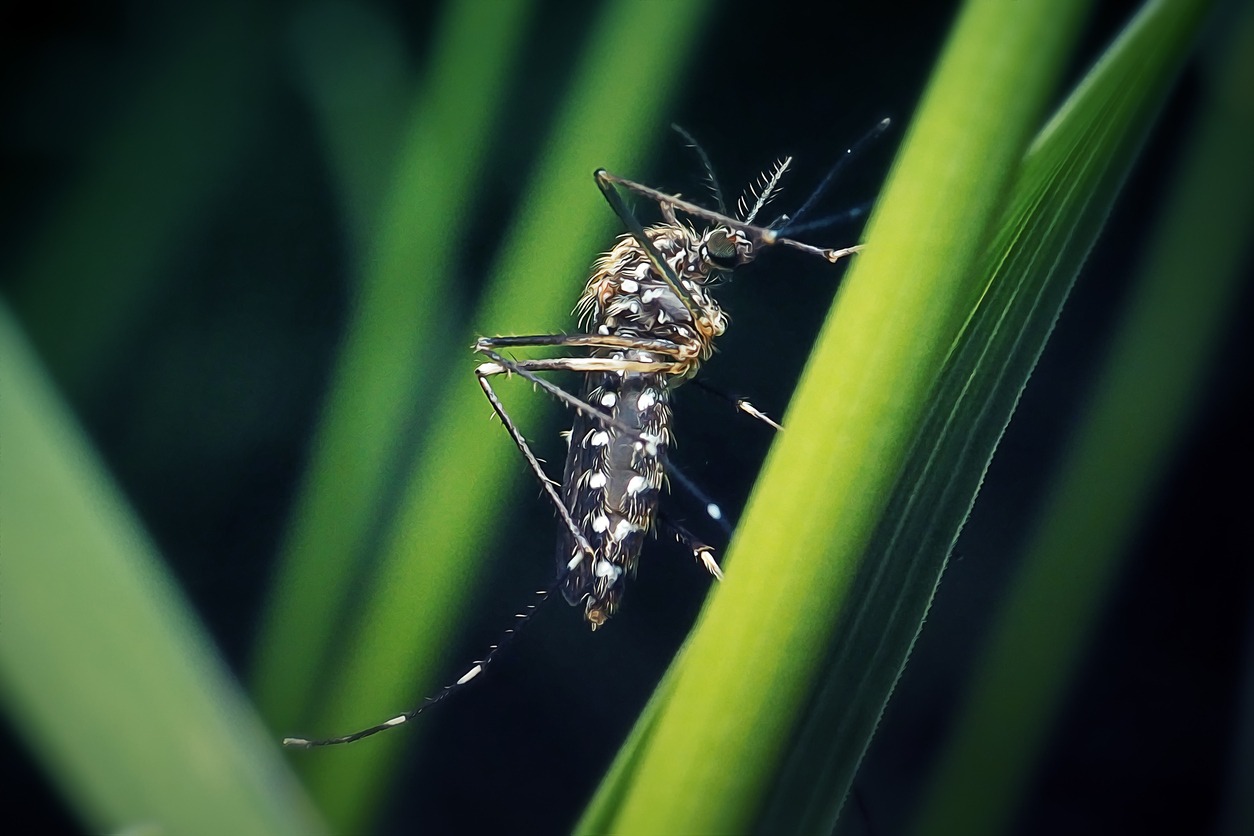
Mosquito problems are usually connected to outdoor conditions.
They are not always coming from one obvious place. At this property, the issue came from a combination of shaded landscaping, containers holding water, thick vegetation and damp areas near the backyard seating space.
There were planters that had collected water after rain.
Some vegetation near the fence line was thick enough to hold shade and moisture.
There were low spots where water did not dry quickly.
The deck and seating area were close to several of these conditions, which made the activity more noticeable where the family spent the most time.

The Process
When dealing with mosquitoes, the focus is not just reducing activity. It is also understanding what is allowing the activity to build.
Step 1: Full Backyard Inspection
I checked the deck, patio area, garden beds, fence line, shaded landscaping and seating areas.
Step 2: Moisture Source Review
I looked for planters, containers, low spots, gutters and areas where water could collect after rain.
Step 3: Resting Area Identification
I checked shaded vegetation, damp corners and protected areas where mosquitoes may rest during the day.
Step 4: Targeted Service Recommendation
I explained what was contributing to the mosquito pressure and recommended a service approach focused on the main outdoor problem areas.
The Outcome
After the inspection, the homeowner had a better understanding of why mosquitoes kept returning to the same parts of the yard.
The problem was not random.
The shaded landscaping, standing water and damp areas were all contributing to the issue. Once those areas were identified, the homeowner had a clear plan for improving the backyard and reducing mosquito pressure.
That made the situation feel more manageable.

Practical Prevention Tips
Here are the mosquito prevention tips I shared with the homeowner:
Empty containers that collect water after rain.
Keep gutters and downspouts draining properly.
Trim thick vegetation near seating areas and fence lines.
Reduce yard clutter where moisture can stay trapped.
Refresh bird baths and pet water regularly.
Watch for low spots where water sits longer than expected.
Keep outdoor seating areas clean and dry when possible.
Check planters, buckets, toys and outdoor items that may hold water.
These steps can make a noticeable difference over time, especially during the warm summer months.
"It's brighter than before!"
— Megan
Professional Insight
Mosquito control works best when the source conditions are addressed.
Treatment can help reduce activity, but standing water, damp shade and thick vegetation can keep attracting mosquitoes if nothing changes around the yard.
That is why I like to walk the property before recommending service.
A proper inspection helps identify the difference between where mosquitoes are being noticed and where the activity may actually be coming from.

Closing Thoughts
Mosquitoes can turn a good backyard into a space people avoid.
For Kitchener & Southern Ontario homeowners, July is a common time for mosquito activity to become frustrating around decks, patios, gardens and shaded areas.
No more bites every time you step outside. Just a clearer plan for a more comfortable backyard.
— Petty Pest Control

Address
151 Charles St W #100, Kitchener, ON N2G 1H6, Canada
Contact Us
Call: 289-312-7625
© 2026 Petty Pest Control. All rights reserved.